
For the 96% Still Trusting Banks with Their Savings; Here’s Why It’s Costing You More Than You Think
Why Saving Money Is Making You POORER Every Year; And How to Reverse It in Just 12 Months

Discover What Your Bank Doesn’t Want You to Know. From an 18-Year Veteran Insider. Learn the Hidden Truth Behind Those 'Savings' on Your Screen and How to Stop Losing 3.2% of Your Wealth Every Year.

4.7 / 5 based on 1,181 students
AS SEEN ON




Stop Losing Your Hard-Earned Money to the System
Here’s What You’ll Discover Inside This Game-Changing Guide
Avoid a 3% Annual Erosion
Inflation averages around 3% each year, which eats away at savings when returns don’t keep up. This guide reveals strategies that consistently outpace inflation, so you keep what you earn instead of watching it lose value year after year.
Same Access As The Top 1%
Top investors don’t rely on bank accounts. This guide opens up similar opportunities, showing you ways to access high-yield investments typically reserved for the wealthiest 1%, so you can grow wealth like they do without millions to invest.
Banks Lend 5-10X Your Value
You know that number on your bank account screen? Well banks lend 5-10X more than that, making high interest rates as they go and giving you back a pathetic sub 1%. We'll show you how to make your money work for you, not them.
Invest In Under 5 Minutes A Week
Moving away from banks into investment opportunities isn't complicated or scary. even though they will try to make it that way (I wonder why...) - we'll show you how to do that in under 5 minutes per week without the complexity.
WHY YOU NEED THIS
Before vs. After: Breaking Free from the Traditional Banking Trap
Hidden fees draining your savings.
Losing money to inflation.
Banks controlling your finances.
No real growth on your money.
Uncertainty about your future.
No more hidden fees.
Your wealth grows faster.
Full control of your money.
Protect your savings from inflation.
Clear steps to secure your future.
Take Back Control of Your Money: A Step-by-Step 12-Month Roadmap to Transform Your Wealth and Escape the Bank’s Grip

Understand the System
Learn how traditional banking holds you back.

Spot the Hidden Fees
Identify where your money is silently slipping away.
Beat 3.2% Inflation
Discover strategies to protect and grow your wealth.

Break Free from Banks
Find alternatives that give you full control of your finances.

Explore methods to make your money work for you.

Build Your Wealth
Develop a sustainable plan for financial independence.
Take Back Control of Your Money
Learn the Simple Path to Financial Freedom
Are you tired of losing money to hidden banking fees, inflation, and a system designed to hold you back? This guide breaks down the process to take control of your finances and grow your wealth faster than you ever thought possible.
From understanding the flaws in the traditional banking system to implementing actionable strategies for financial independence, this guide offers everything you need to make a change.
Stop relying on banks and start relying on yourself with proven steps and expert-backed advice.
TESTIMONIALS
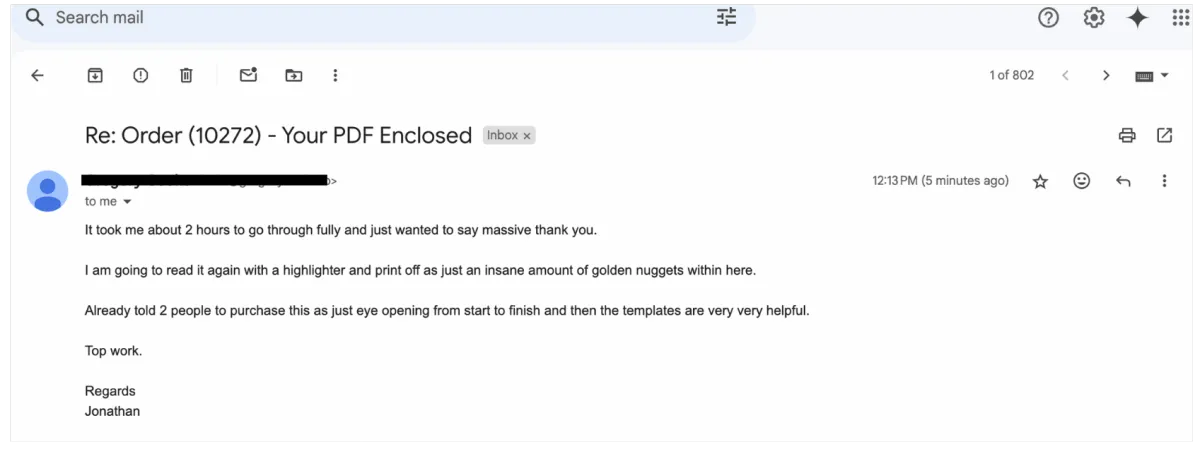
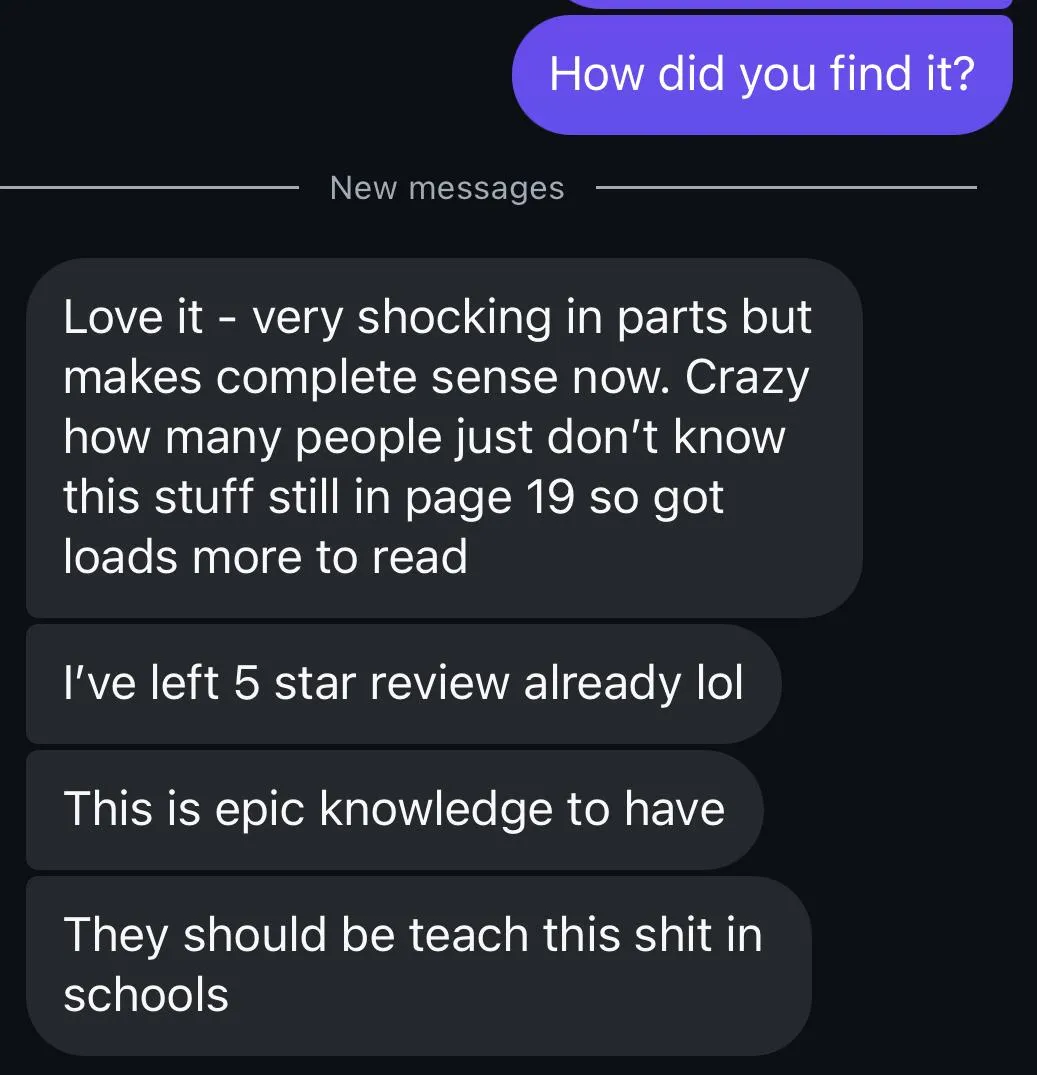
REAL STORIES, REAL RESULTS


THE COMPLEX MADE SIMPLE
Here's What Will Put You Ahead Of 96% Of The Population
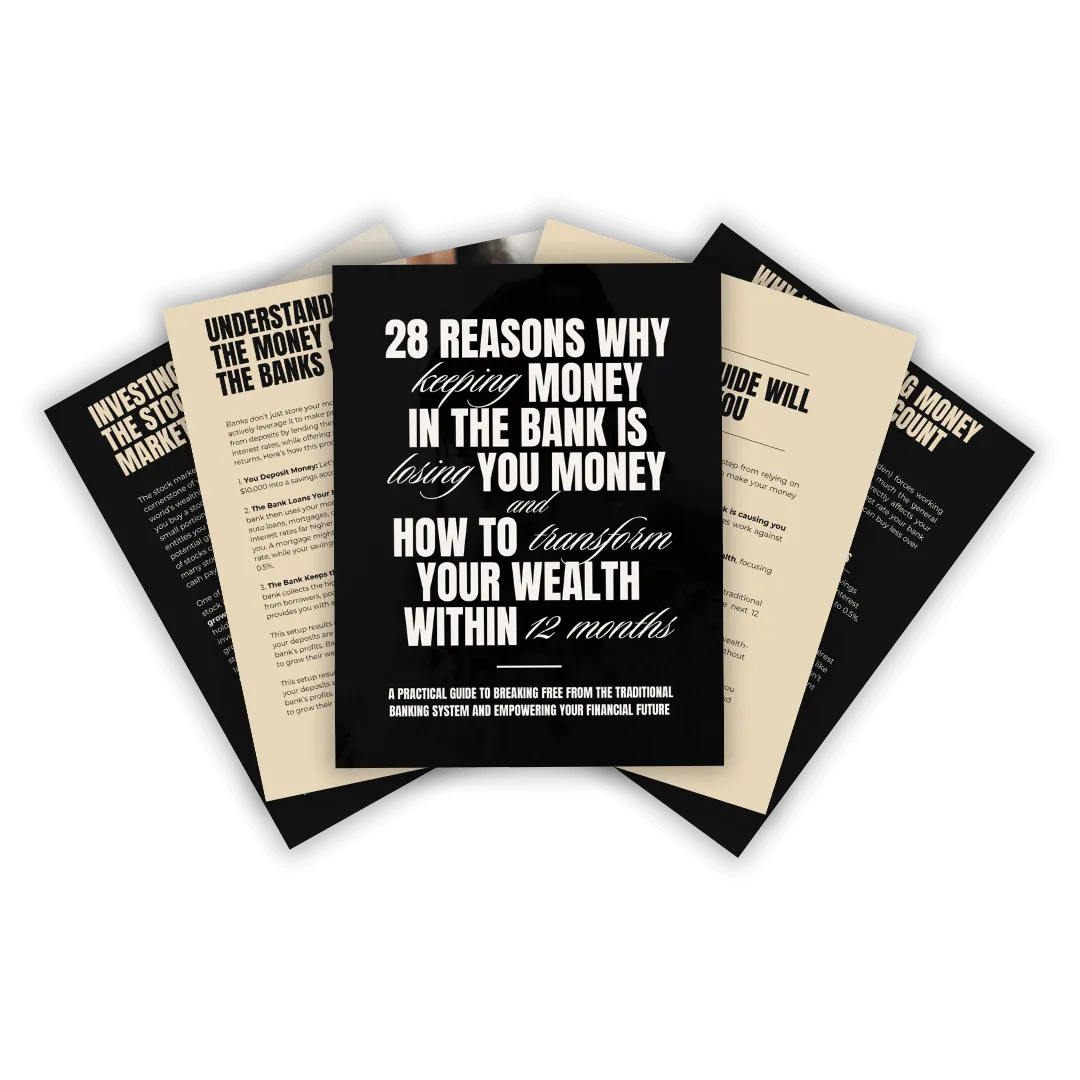
Module 1: Why Traditional Banking Holds You Back

Traditional banking systems limit wealth growth through low interest rates and hidden fees while using your deposits to generate profits for themselves rather than you.
Module 2: The 28 Reasons You're Losing 4%+ With Money In A Bank
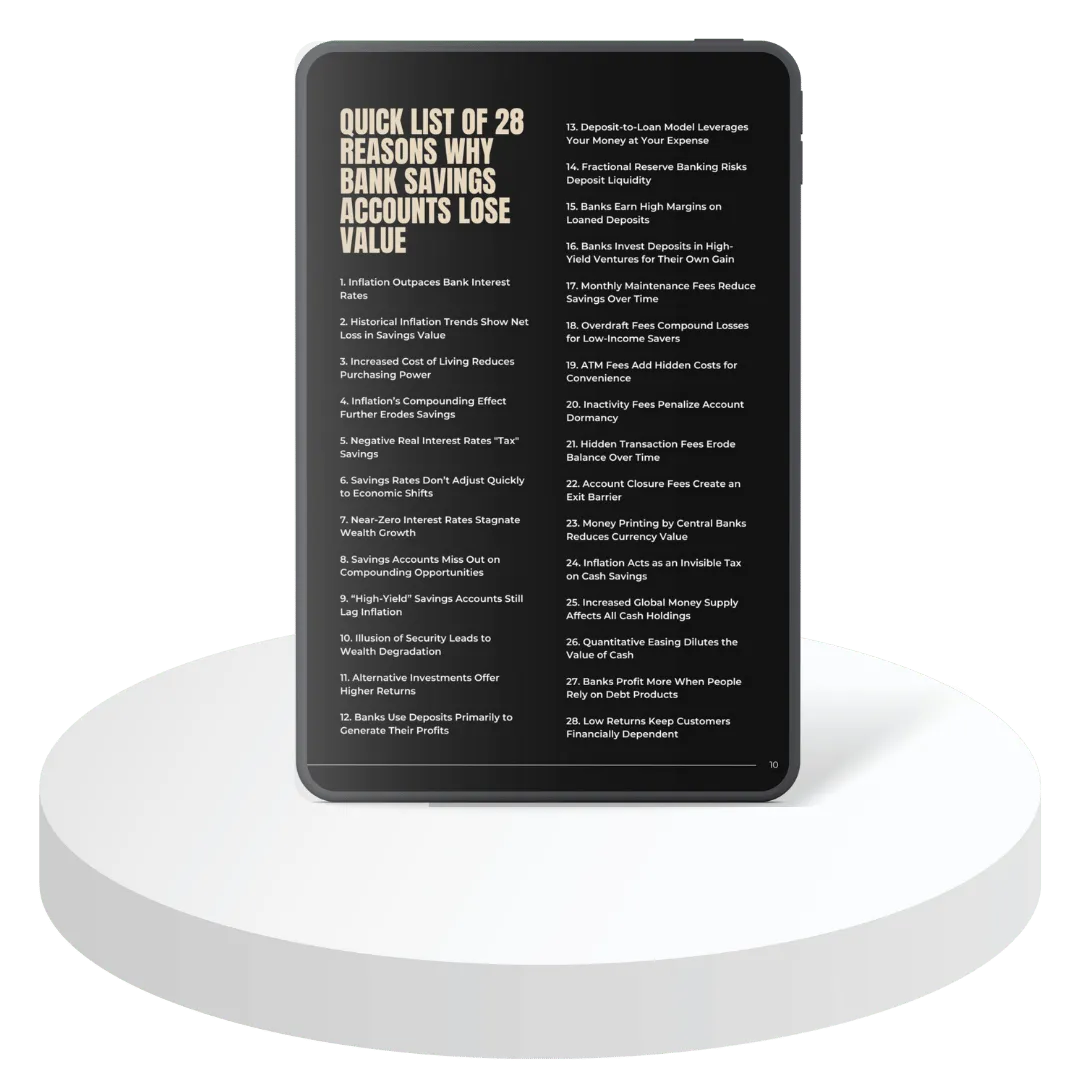
Banks employ 28 key methods including inflation, fees, and lending practices that actively reduce your money's value by over 4% each year.
Module 3: The Top 1% Investment Arenas & Access
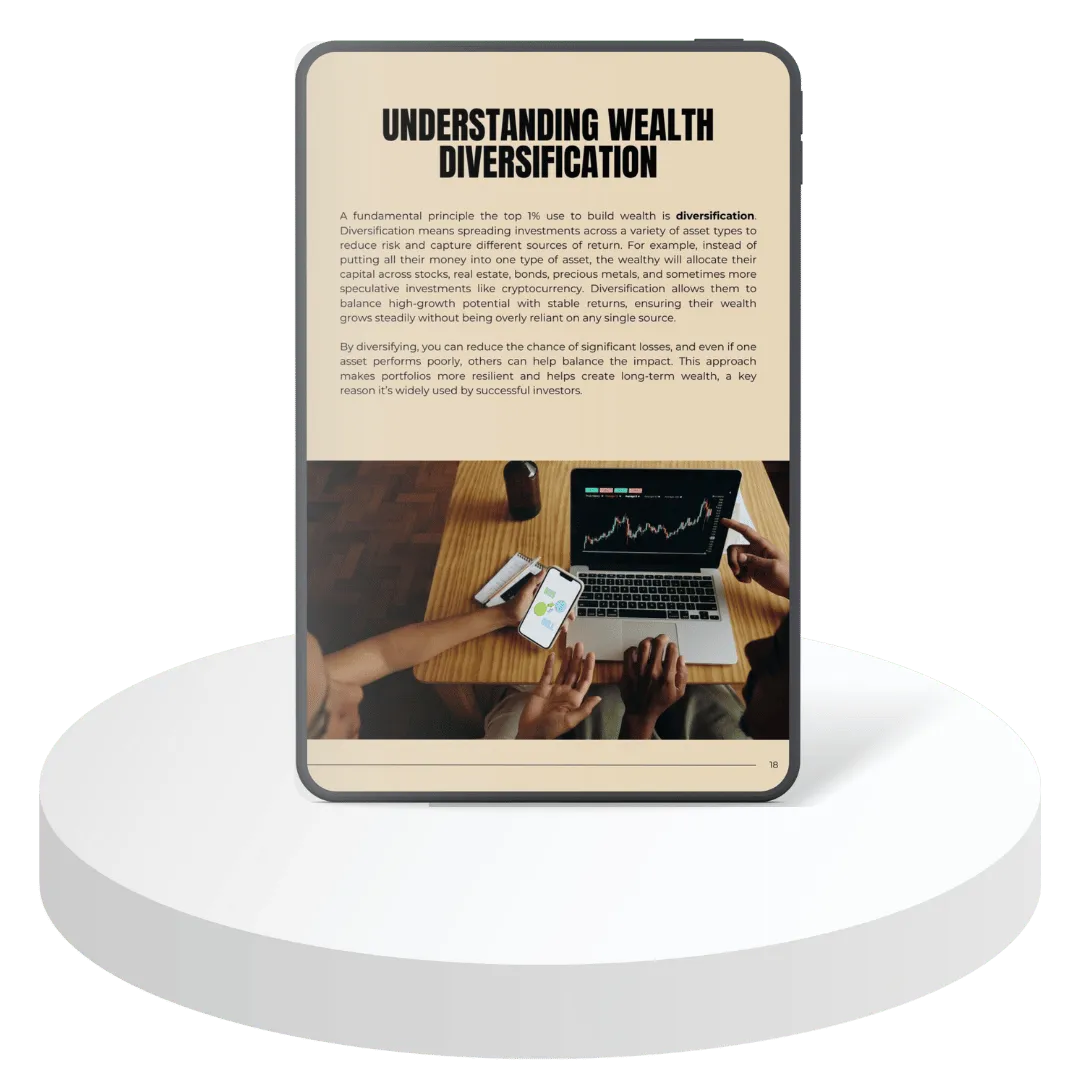
The wealthy build their wealth through diversified investments in stocks, real estate, precious metals, and alternative assets.
Module 4: The 12-Month Transformation Guide
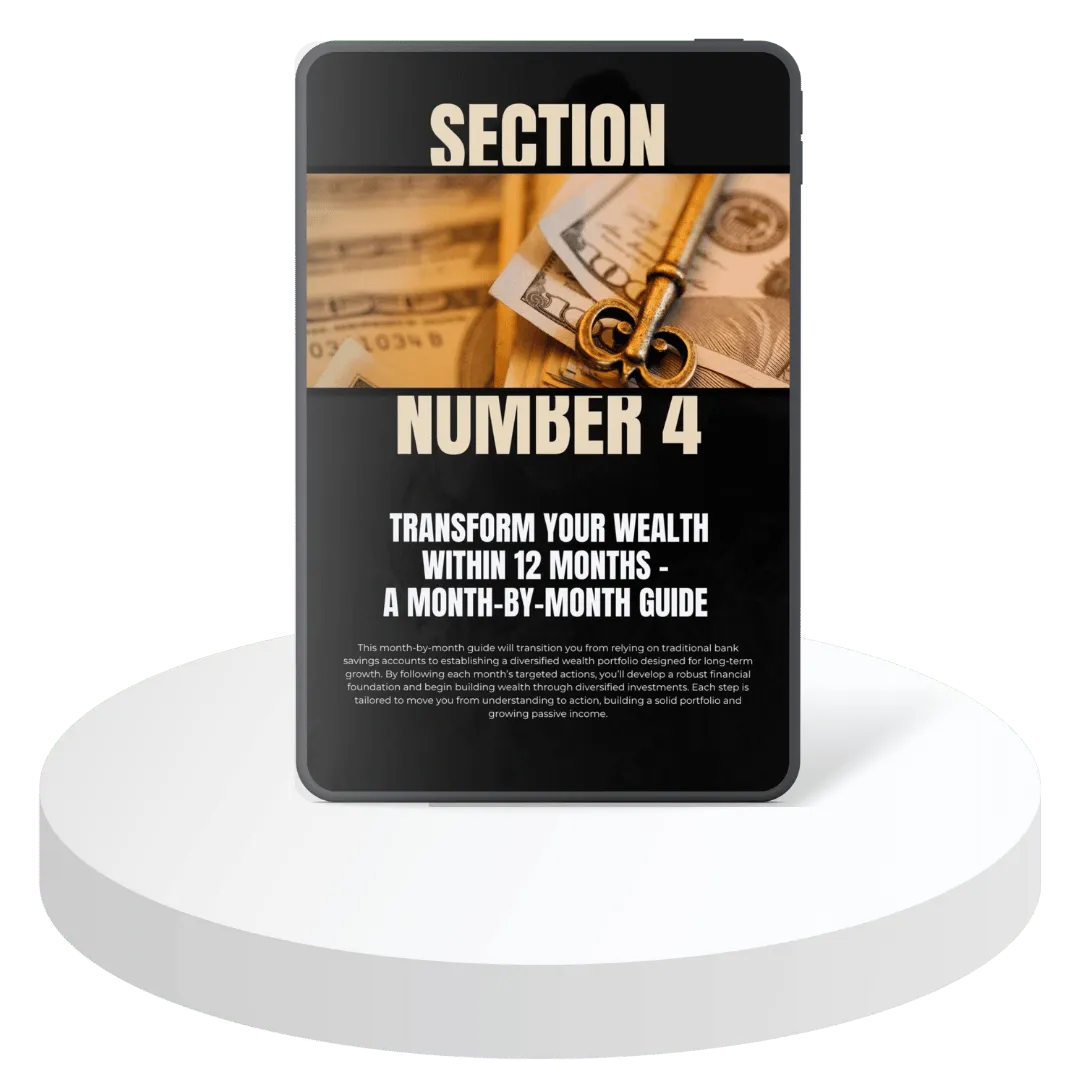
This detailed month-by-month plan guides you from traditional banking to building long-term wealth through strategic investments and asset diversification.
Module 5: Your Investment Tools & Resources
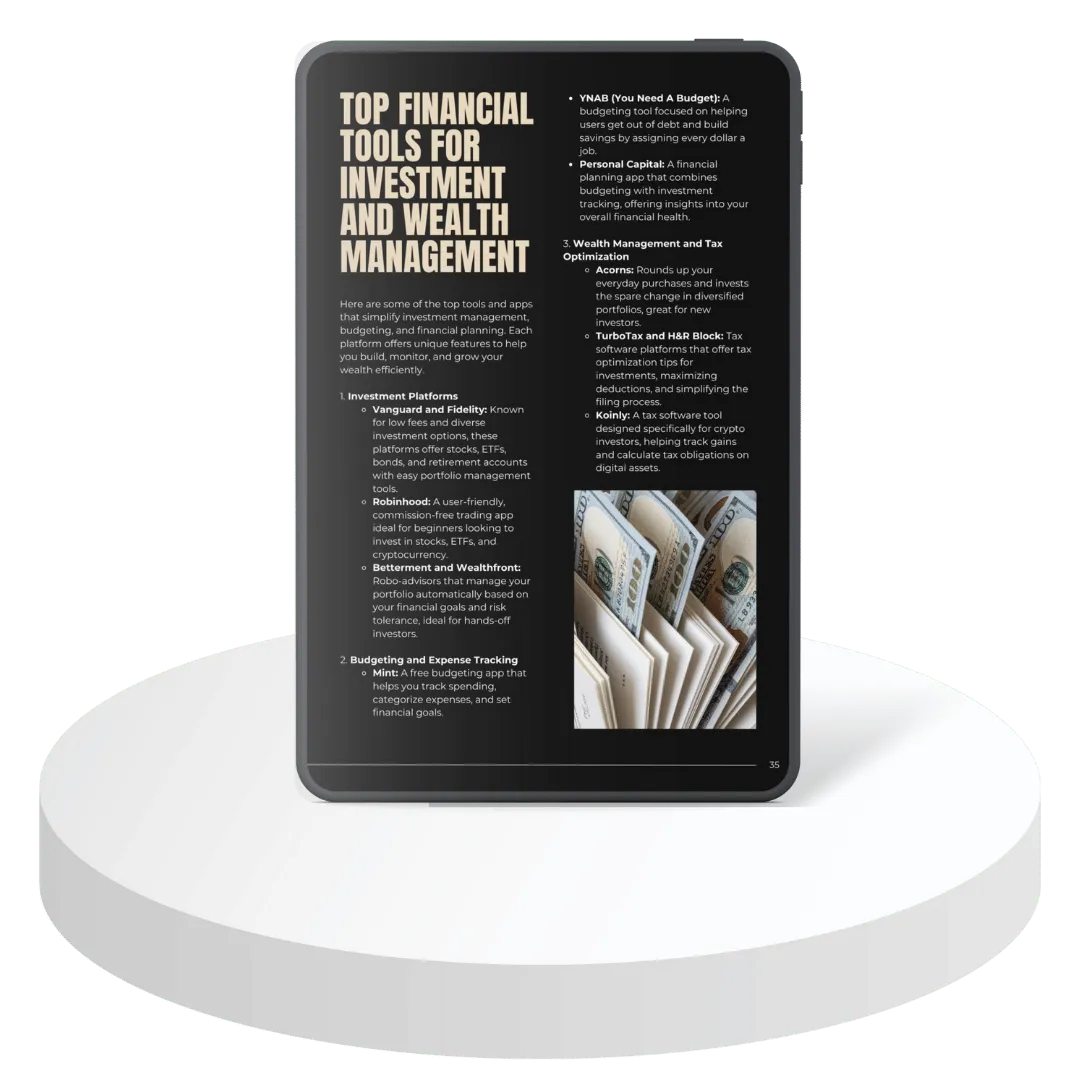
Access essential wealth-building resources including investment platforms, educational materials, and expert strategies for sustainable portfolio growth.
Bonus: Real Estate Investments To Build Wealth

Real estate provides powerful wealth-building opportunities through rental income, property appreciation, and strategic investments in both physical and digital assets.

4.9/5 star reviews
Take Control of Your Wealth Today!
Break free from the traditional banking system and learn how to transform your financial future with proven strategies and tools.
Here's what you get:
The Complete Guide: A step-by-step blueprint to escape the banking system.
Exclusive access to our resource library with actionable tips.
A downloadable workbook to track your progress.
Lifetime Updates: Stay ahead with updates at no extra cost.
Today Just
$27 one time

"Very shocking!"
"This was shocking in parts! I just thought it was all mine on my banking app but now I know" - Amelia J (NY, USA)
ABOUT ME
Hi, I'm Mark
My name is Mark, and after spending 18 years as a Wall Street investment advisor inside the banking system, I witnessed firsthand how banks secretly profit from customer deposits through hidden fees, low interest rates, and predatory lending practices.
This insider knowledge of how banks use your money to enrich themselves while offering minimal returns drove me to leave the industry, and now I'm dedicated to helping everyday people build wealth using the same investment strategies I learned from working with my wealthiest clients.
Here’s what we’ve achieved together:
Former Wall Street insider exposing how banks secretly use your money to make themselves rich
Teaches the same wealth strategies he used with his top 1% clients during his 18-year banking career
Shows how to escape 28 hidden bank fees and practices that drain your wealth by 4%+ yearly
Provides a clear 12-month plan to transition from bank dependency to generating passive income
Combines traditional investing with modern opportunities like DeFi that banks don't want you to know about

WHO IS THIS FOR
Perfect for Anyone Ready to Take Control of Their Money
Struggling with hidden banking fees and looking for alternatives.
Tired of inflation eating away at their savings.
Wants to grow their wealth with actionable, simple strategies.
Feels stuck in the traditional system and ready for change.
Wants financial independence and passive
income.
Looking for tools to protect their savings and assets
Ready to learn step-by-step methods to build wealth.
Wants to take back control of their financial future.
Prefers straightforward guidance over complicated advice.
Dreams of long-term financial freedom with clarity and confidence.
IT'S A GLOBAL UNDERGROUND SYSTEM
I've Helped People All Over The World
Together, we’re building a global movement for smarter, more empowered money management.

STILL NOT SURE?
Your Satisfaction Is 100% Guaranteed
We’re confident that this guide will transform your financial future, but if you’re not completely satisfied, we’ve got you covered.
With our 100% Satisfaction Guarantee, you can try it risk-free. If you don’t see the value, within 90 days of implementing this system, we’ll refund every penny—no questions asked.
Your success is guaranteed, or you get your money back.

STILL GOT QUESTIONS?
Frequently Asked Questions
What will I gain from this guide?
You’ll discover actionable steps to break free from traditional banking and build wealth independently.
Do I need prior financial knowledge?
Not at all! This guide is beginner-friendly and easy to follow.
How quickly can I start seeing results?
Most people notice positive changes within 30 days of applying the methods.
Is this a one-time payment?
Yes, you’ll only pay $27 once for lifetime access to the guide and bonuses.

What if I’m not satisfied with the guide?
We offer a 90-day 100% money-back guarantee. No questions asked.
Are updates included in my purchase?
Yes, you’ll receive all future updates at no extra cost.
Take Control & Beat The Banks Now!
Take the first step is being the one in control of your finances
Copyrights 2026 | Live Financial Freedom™ | Terms & Conditions